The Opedia Network
SubsOpedia
A front door to local subs discovery and an authority-content home for everything worth knowing about subs.
Find Subs Near YouSearch for subs by ZIP code or city/town
Find sub shops, delis, hoagies, heroes, grinders, cheesesteaks, and great local sandwiches near you.


Your Guide to Great Subs, Sandwich Shops, and Local Favorites
SubsOpedia helps you find nearby sub shops, delis, sandwich counters, and local favorites while also giving you practical guides on what makes a great sub — from bread and fillings to regional styles, toppings, freshness, and value.
What Makes Great Subs?
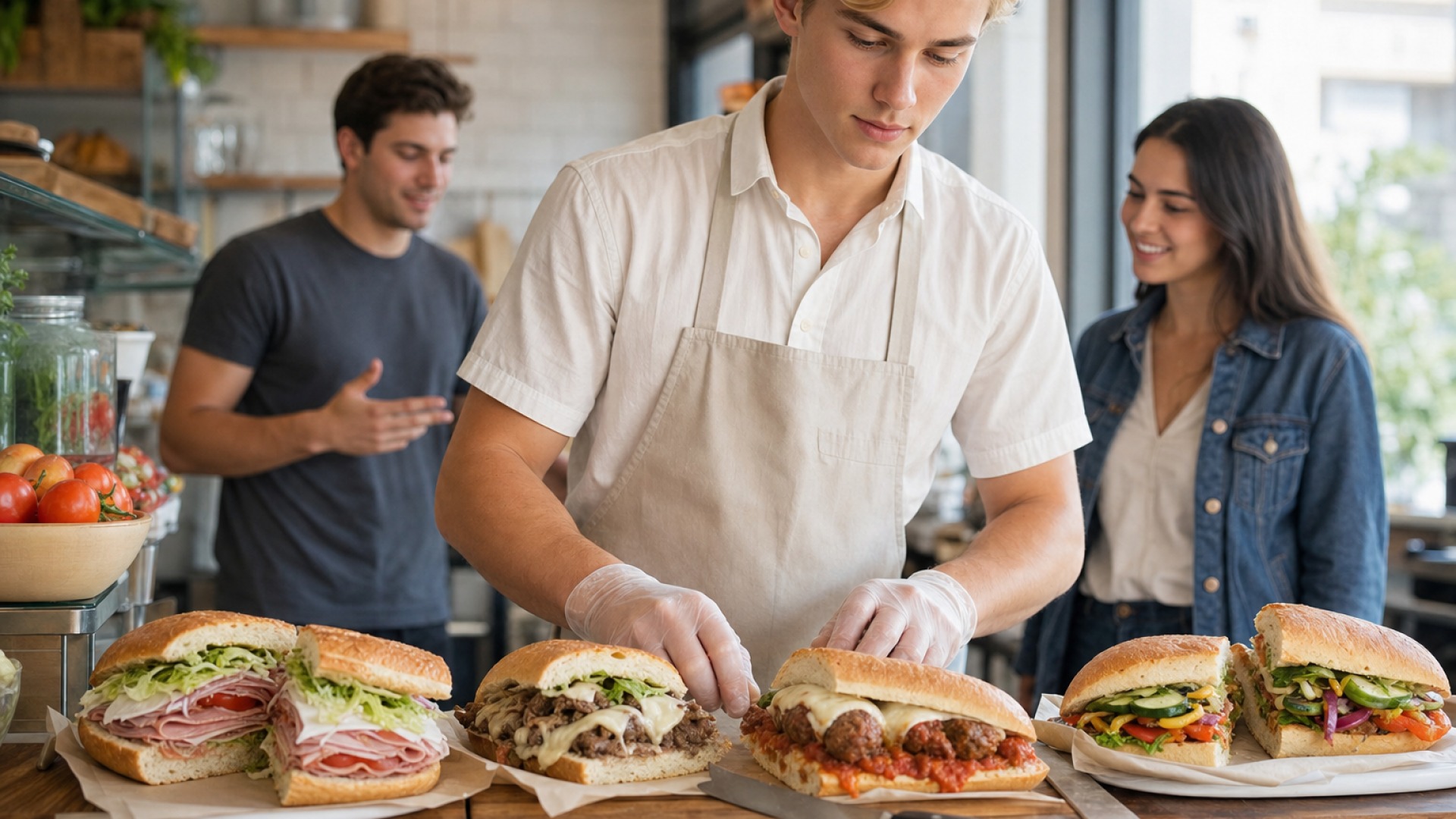
A great sub usually begins with the bread. The roll has to be sturdy enough to hold meats, cheeses, vegetables, oil, vinegar, sauces, and heat without turning soggy, but soft enough to bite cleanly. Visitors notice freshness first: a roll that smells recently baked, has a little chew, and does not fight the filling. Good sub shops also understand balance. Too much lettuce can bury the meat; too much sauce can overwhelm the bread; too little seasoning can make the whole sandwich forgettable. SubsOpedia should help readers recognize that a memorable sub is not just big — it is built with proportion, freshness, texture, and care.

How to Find Great Subs Near You
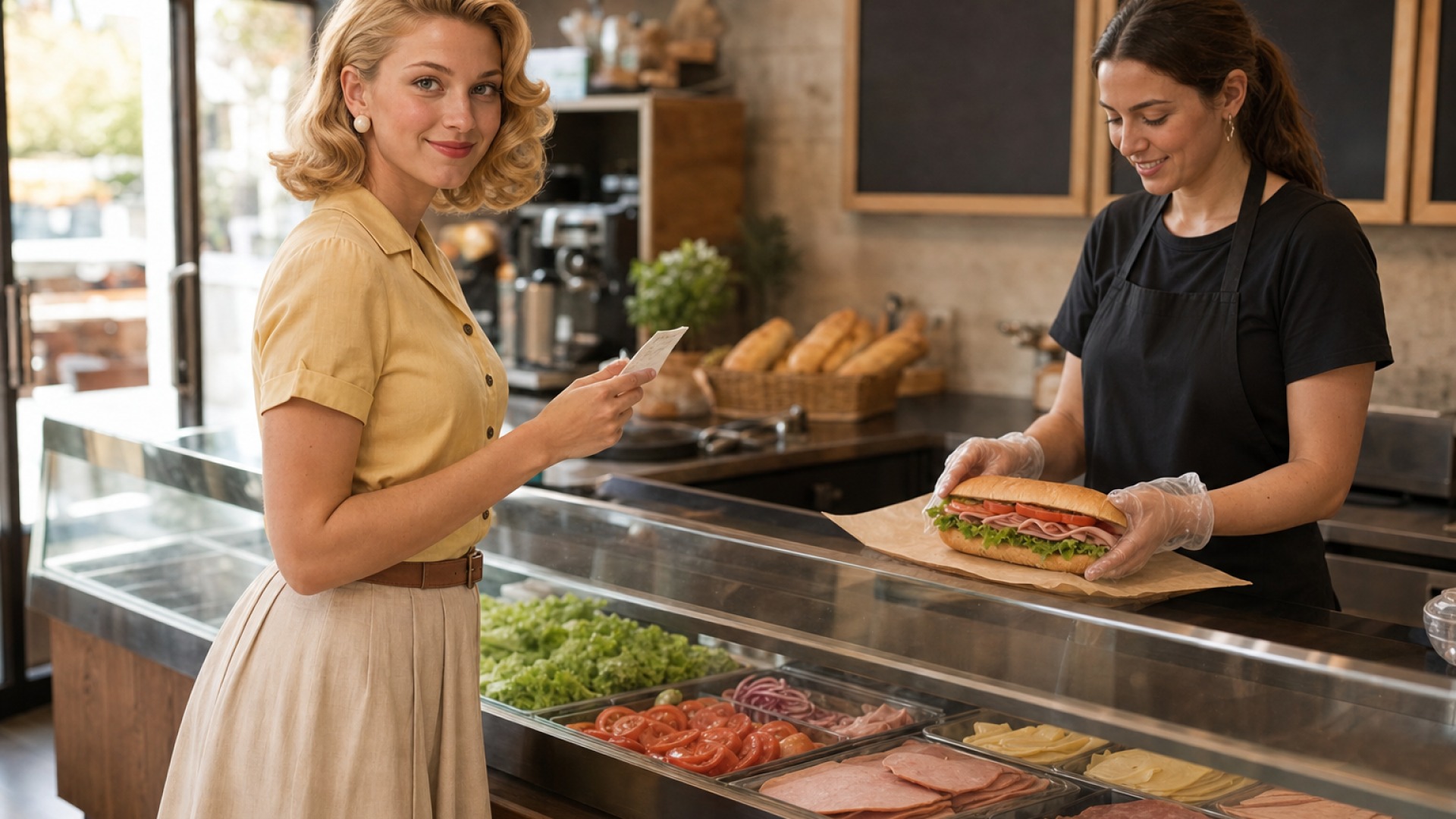
Finding great subs near you starts with noticing the small signs. A busy counter, fresh bread, sliced-to-order meats, crisp vegetables, and workers who know the menu often tell you more than a fancy sign. Local favorites may specialize in Italian subs, cheesesteaks, meatball subs, turkey clubs, or toasted hot subs, so visitors should think about what kind of sub they actually want before searching. SubsOpedia should guide readers toward the central Opedias.com search while helping them compare shops with confidence: bread quality, ingredient freshness, portion size, service speed, cleanliness, and whether the sandwich tastes assembled rather than merely stacked.

The History of Subs
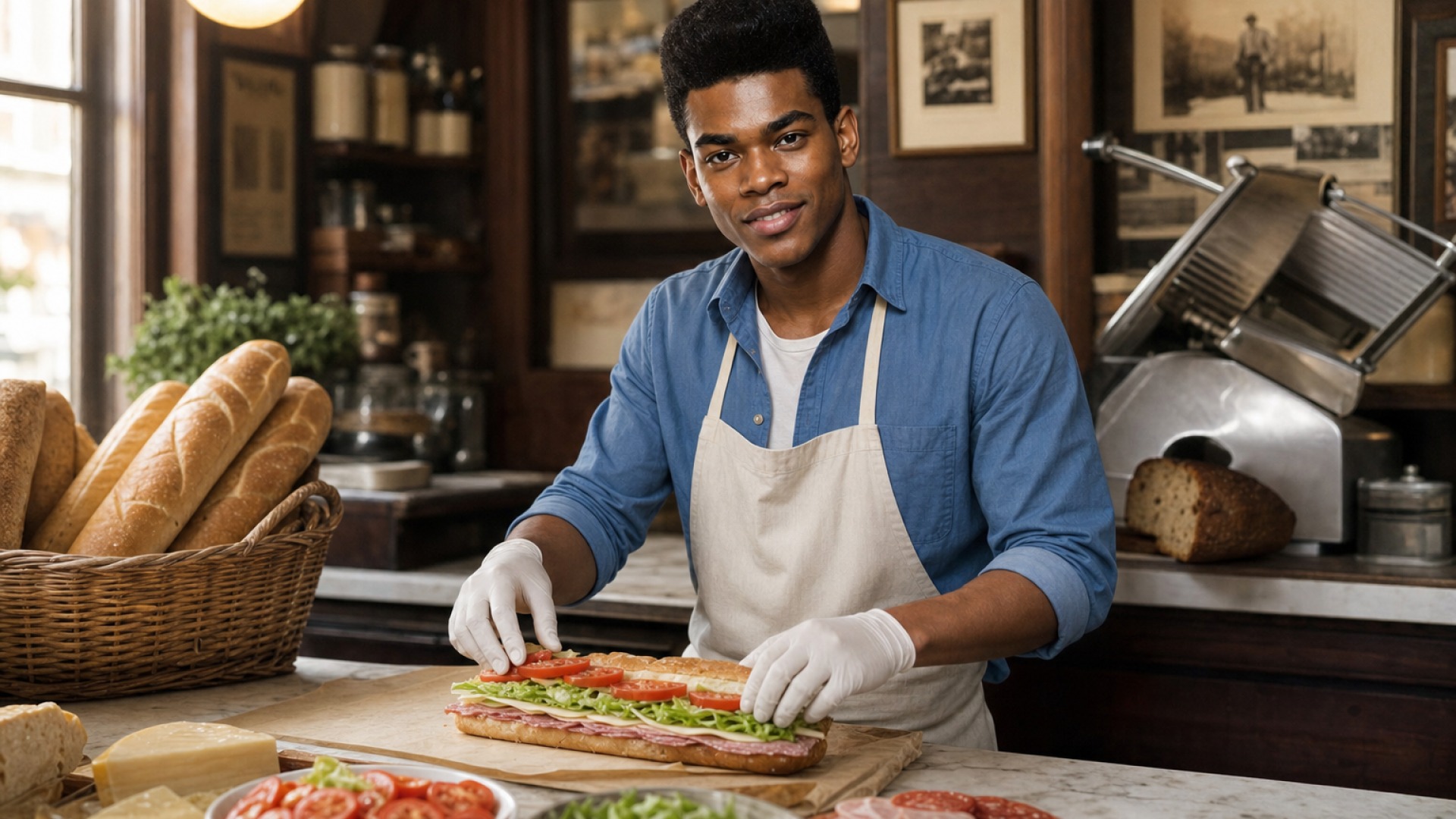
The sub sandwich belongs to a larger family of long-roll sandwiches known by different names across the country: subs, hoagies, heroes, grinders, wedges, and po’ boys. The names often reflect local history, immigrant food traditions, shipyards, delis, neighborhood lunch counters, and working-class appetites. What stayed consistent was the idea of a complete meal tucked into bread: portable, satisfying, customizable, and generous. A good SubsOpedia history section should not get lost in trivia; it should help readers understand why the sandwich became a local institution in so many places and why people still argue passionately about what a “real” sub should be.

Types, Styles, and Regional Favorites
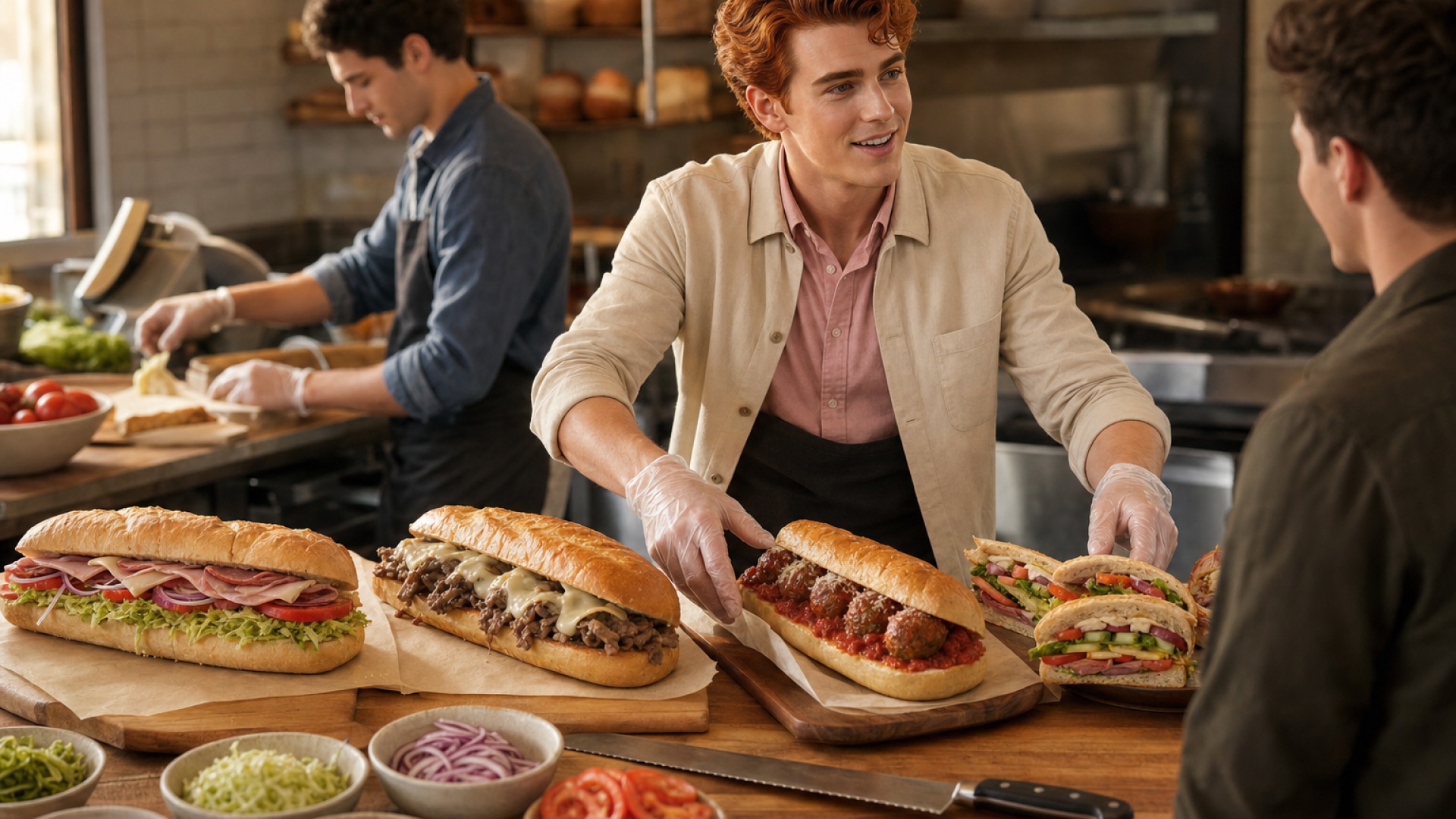
Subs vary widely, and that variety is part of the appeal. Some are cold and deli-style, layered with Italian meats, turkey, ham, tuna, cheese, lettuce, tomato, onion, oil, and vinegar. Others are hot, toasted, sauced, or messy in the best way: meatball, chicken parm, cheesesteak, sausage and peppers, or roast beef. Some shops focus on classic regional styles, while others experiment with sauces, breads, and global flavors. This section should help visitors understand the main categories before they search locally, so they can recognize whether a shop is strongest at cold deli subs, hot comfort-food subs, toasted sandwiches, or creative modern combinations.
Ingredients, Freshness, and Flavor
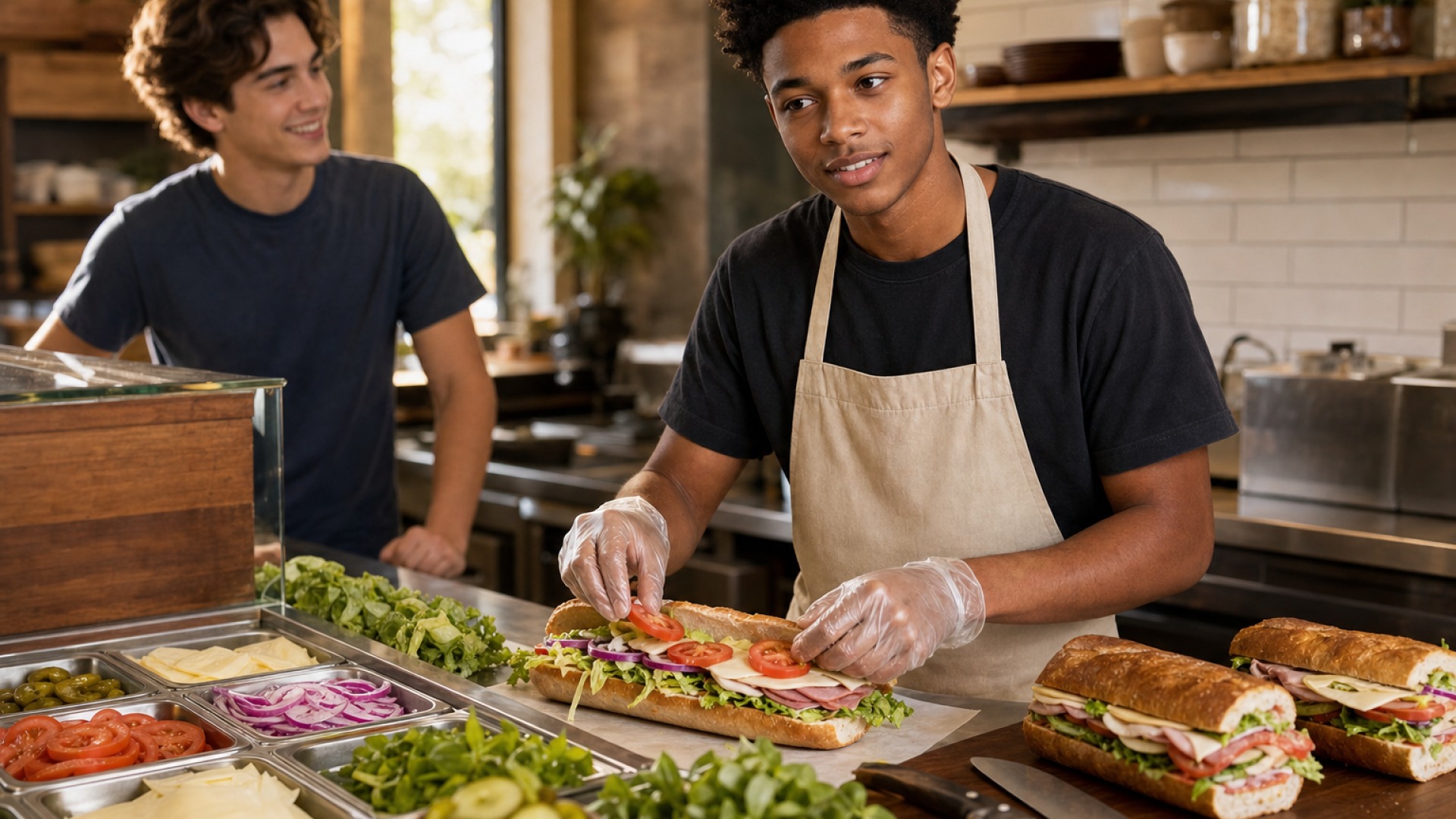
Freshness matters in a sub because the ingredients are exposed and easy to judge. Wilted lettuce, dry bread, watery tomatoes, and dull meats are hard to hide. The best shops think about contrast: soft bread with crisp vegetables, rich meats with bright acidity, melted cheese with a toasted roll, or a little spice against something creamy. Seasoning also matters. Oil, vinegar, oregano, pepper, pickles, peppers, or a house sauce can turn a plain sandwich into one people remember. SubsOpedia should teach visitors to look for fresh prep, balanced layers, and ingredients that taste like they belong together rather than simply filling space.
Value, Portions, and What You Pay For
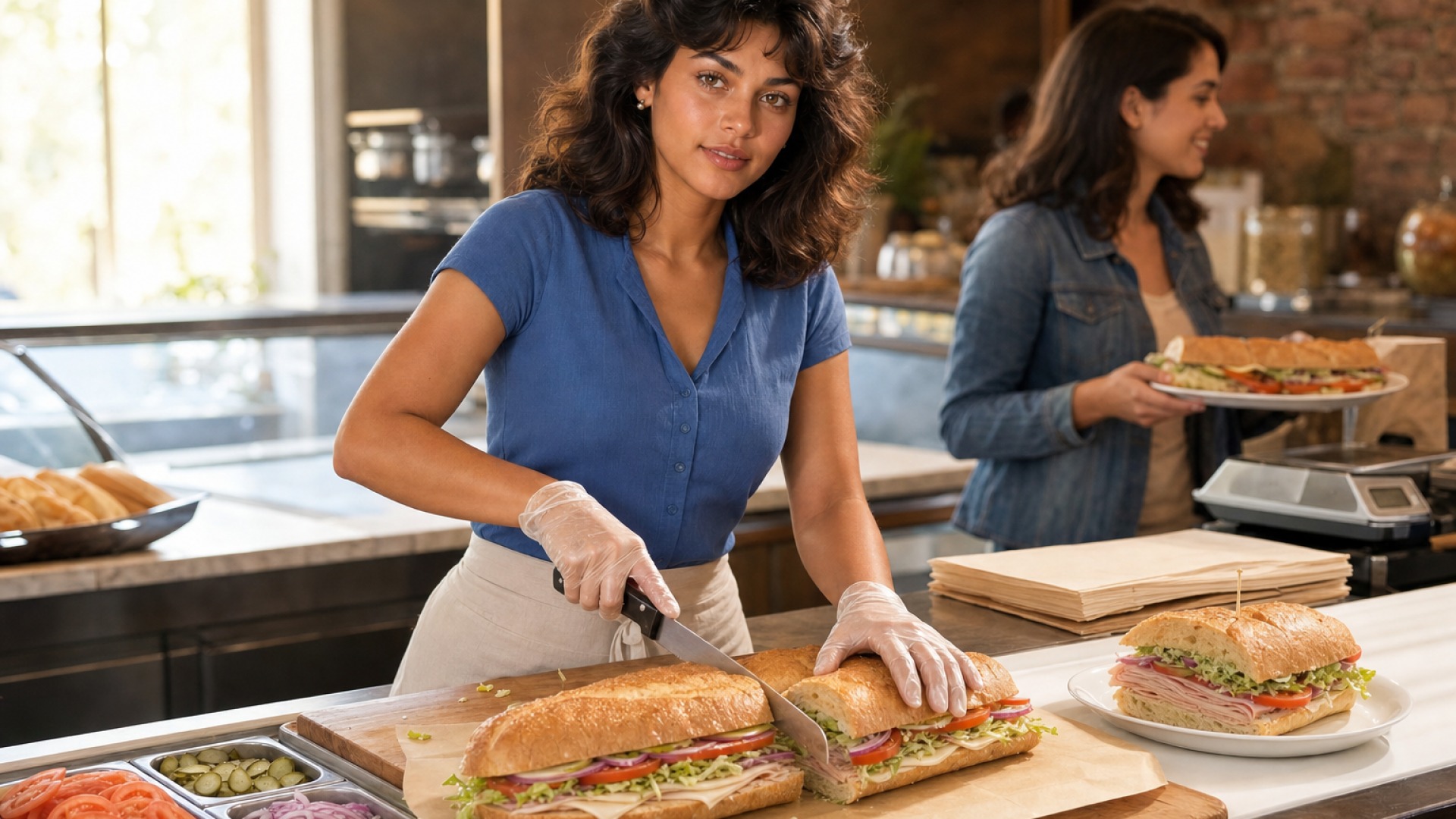
Value in subs is not only about size. A huge sandwich can still disappoint if the bread is stale, the filling is skimpy, or the flavor feels flat. Visitors should think about portion, ingredient quality, freshness, consistency, and whether the shop makes the experience easy. A well-made half sub may be a better value than an oversized sandwich that falls apart. Pricing can also reflect local rents, premium meats, fresh-baked bread, delivery costs, or made-to-order preparation. SubsOpedia should help readers compare value fairly: what they receive, how it tastes, how filling it is, and whether they would gladly order it again.
Local Traditions and Regional Differences
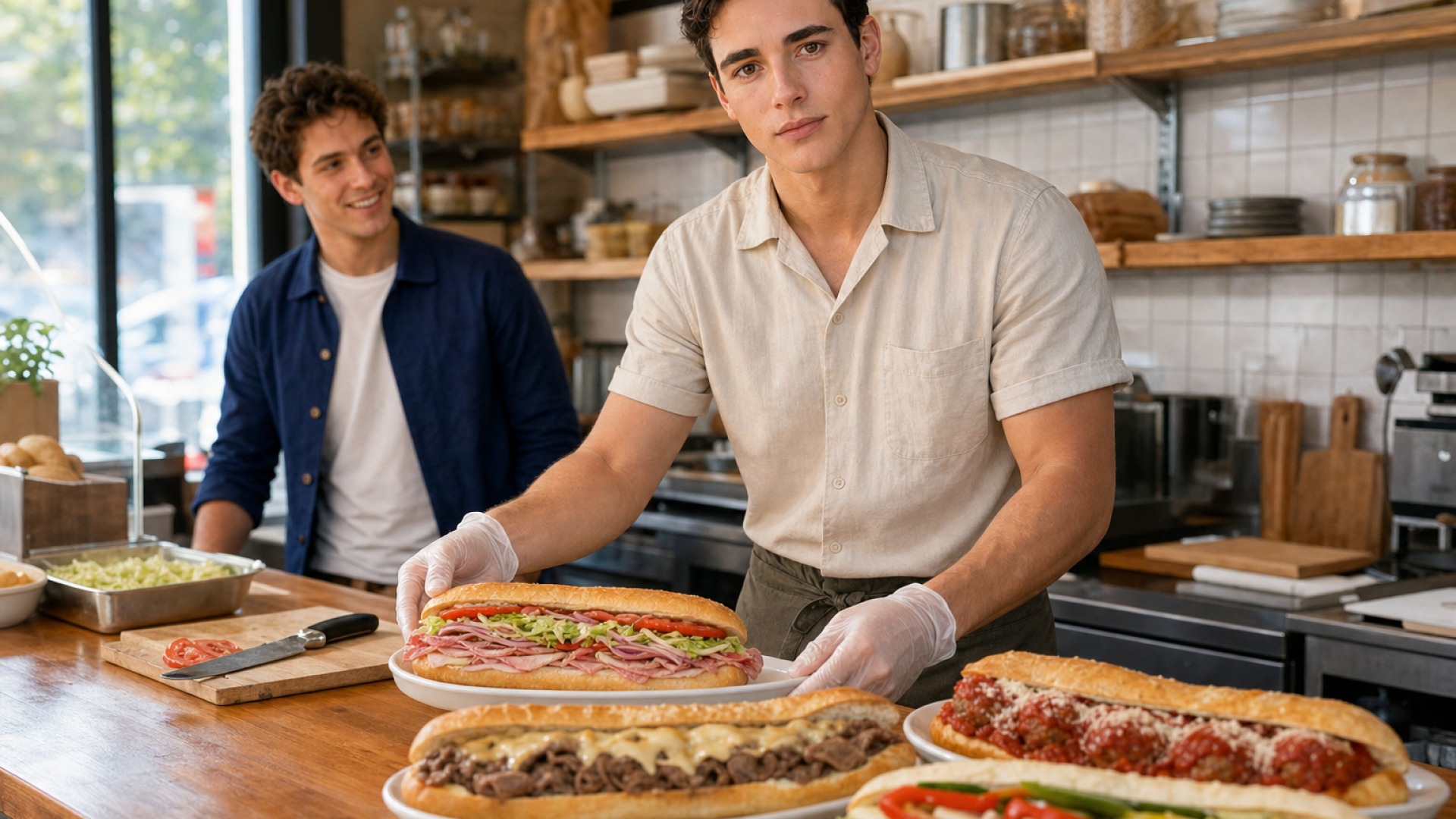
Sub traditions can change dramatically by region. In one city, people expect Italian cold cuts with oil and vinegar; elsewhere, the local favorite may be a cheesesteak, grinder, po’ boy, meatball sub, or toasted deli sandwich. Bread styles, peppers, pickles, sauces, cheese choices, and even the name of the sandwich can signal where you are. These regional differences are part of what makes local searching worthwhile. SubsOpedia should help visitors appreciate that the best local sub is often tied to neighborhood history, regional taste, and the pride of shops that have served the same loyal customers for years.
Subs Terms, Toppings, and Ordering Tips
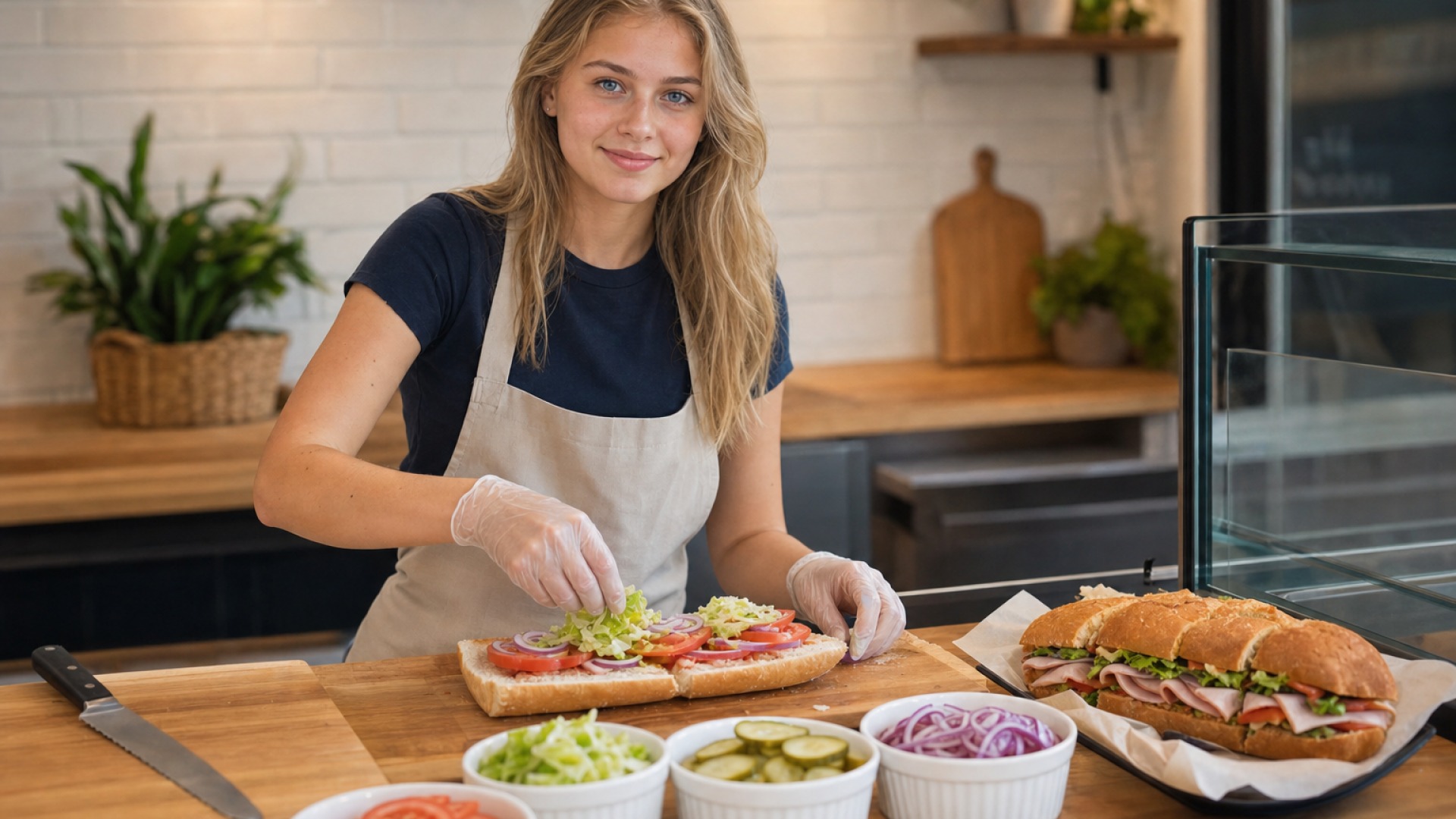
Sub shops have their own language. Visitors may run into words like hoagie, hero, grinder, wedge, dressed, toasted, pressed, oil and vinegar, hot peppers, sweet peppers, provolone, capicola, salami, mortadella, or house special. Understanding these terms makes ordering easier and helps customers get the sandwich they actually want. This section should explain common words in plain language without making readers feel talked down to. A good glossary gives visitors confidence at the counter and helps them understand menus that may reflect local traditions, old-school deli habits, or regional shorthand.
Common Mistakes and Myths About Subs
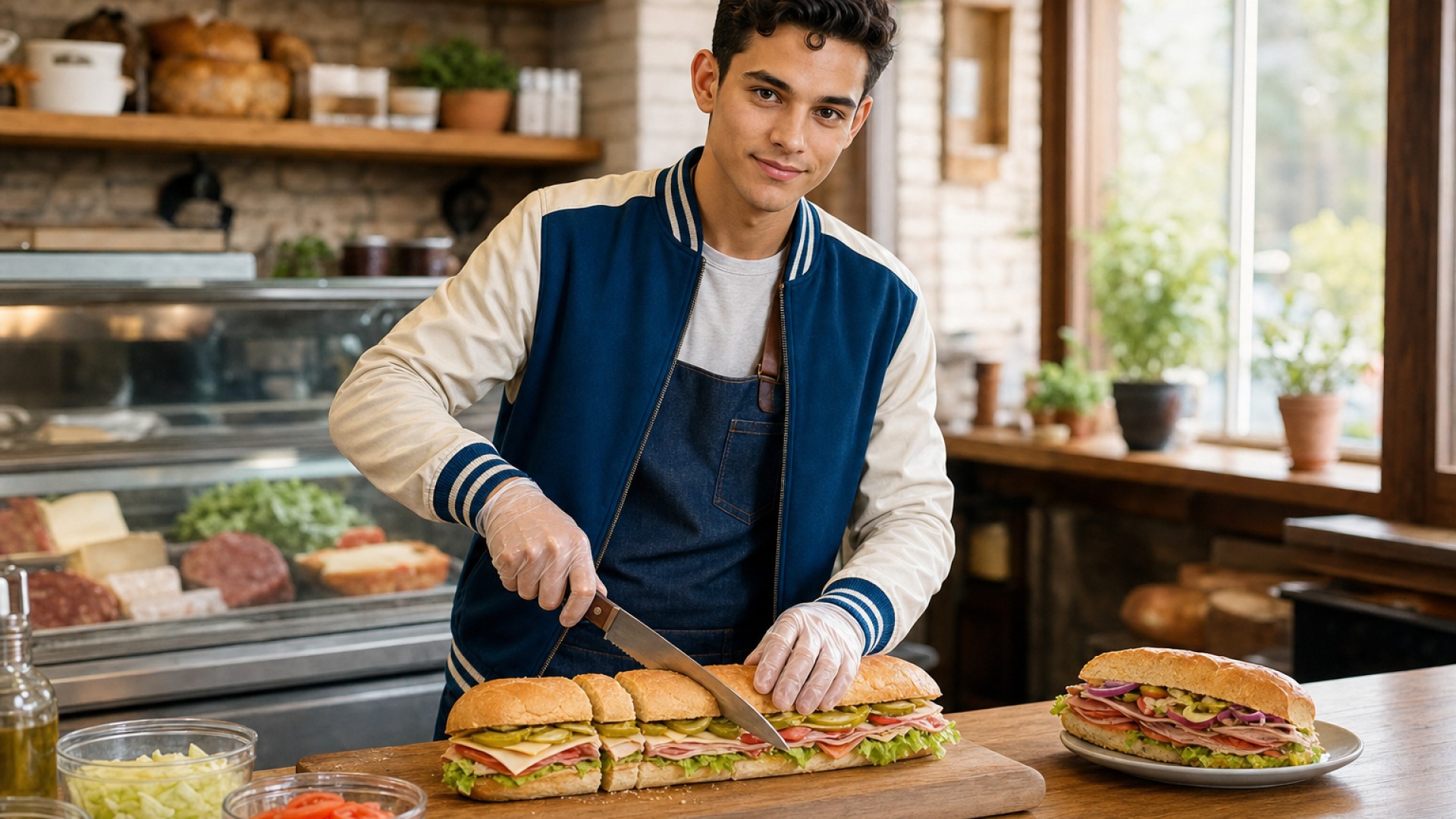
Common sub mistakes often come from ordering on autopilot. People choose the biggest sandwich instead of the best one, ignore bread quality, overload toppings, or forget that sauces and wet vegetables can change the texture quickly. Another mistake is assuming every shop makes every type of sub equally well. A place known for cheesesteaks may not be the best choice for a cold Italian, and a deli-style shop may not excel at saucy hot subs. SubsOpedia should help visitors slow down, notice the house strengths, ask simple questions, and choose a sandwich that fits the shop rather than fighting it.
Smart Ordering and Local Search Tips
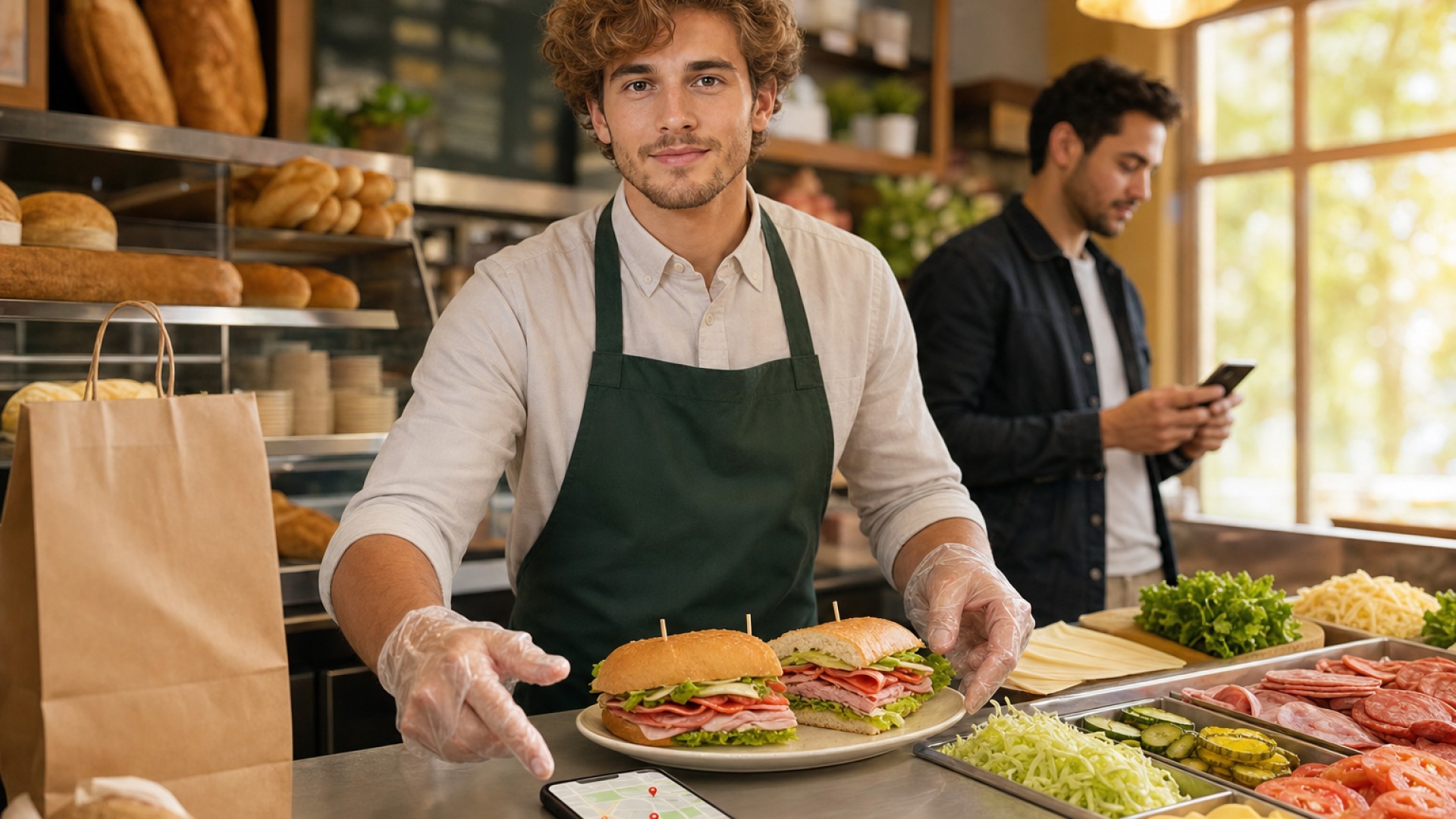
People often ask what separates a sub from a hoagie, hero, or grinder. The answer usually depends on region more than strict rules. Others ask whether hot subs are better than cold subs, which bread works best, or how to keep a sub from getting soggy. A useful FAQ should answer these questions clearly while encouraging local discovery. Over time, SubsOpedia can grow from real customer questions, shop owner insights, and regional debates. The goal is simple: help visitors understand subs well enough to search smarter, order better, and appreciate the craft behind a sandwich they may have taken for granted.
Frequently Asked Questions About Subs
What is the difference between a sub, hoagie, hero, and grinder?
The sandwich is similar, but the name usually depends on region. “Hoagie” is common around Philadelphia, “hero” around New York, “grinder” in parts of New England, and “sub” in many other places.
What makes a sub shop worth trying?
Look for fresh bread, crisp vegetables, well-balanced fillings, clean prep areas, helpful workers, and sandwiches that taste assembled with care rather than simply piled high.
Are hot subs better than cold subs?
Neither is automatically better. Cold subs highlight freshness and deli-style balance. Hot subs highlight melted cheese, toasted bread, sauces, and comfort-food flavor.
How can I avoid a soggy sub?
Choose sturdy bread, avoid overloading wet toppings, ask for oil, vinegar, or sauces on the side when needed, and eat toasted or saucy subs soon after ordering.
How should I compare value?
Do not judge by size alone. Compare portion, ingredient quality, freshness, flavor, consistency, service, and whether you would gladly order the same sandwich again.
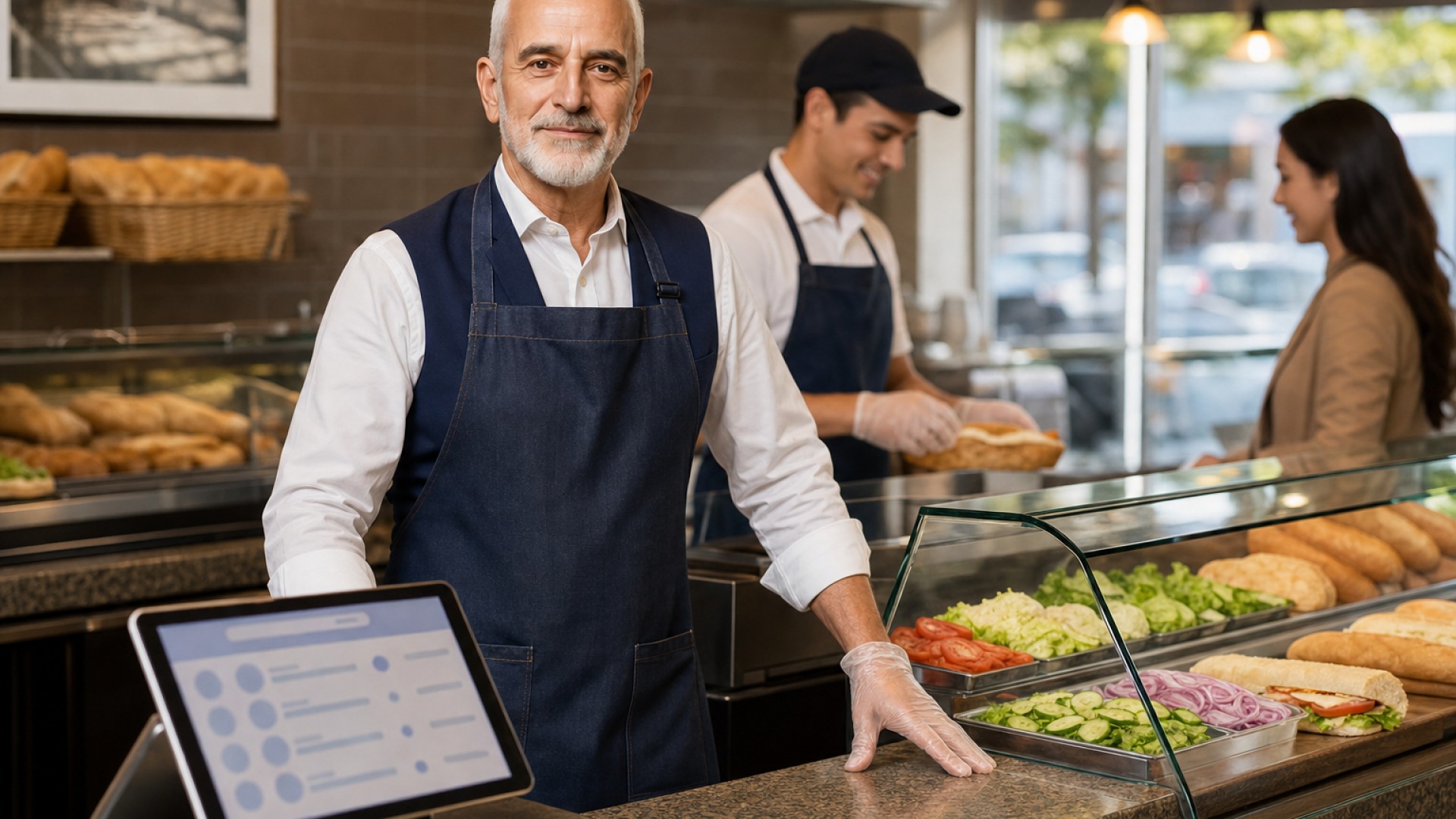
Own or Manage a Subs Business? Reach Customers on Opedia
Own or manage a Sub shop? Opedia visitors arrive with interest, location, and intent already in motion. A presence on this vertical can help your business be seen by people who are learning, comparing, and looking for local options. Contact your local Opedia representative to learn about enhanced visibility, advertising placements, featured content opportunities, and ways to reach customers who are already searching for what you offer.